Iron considerations for the athlete
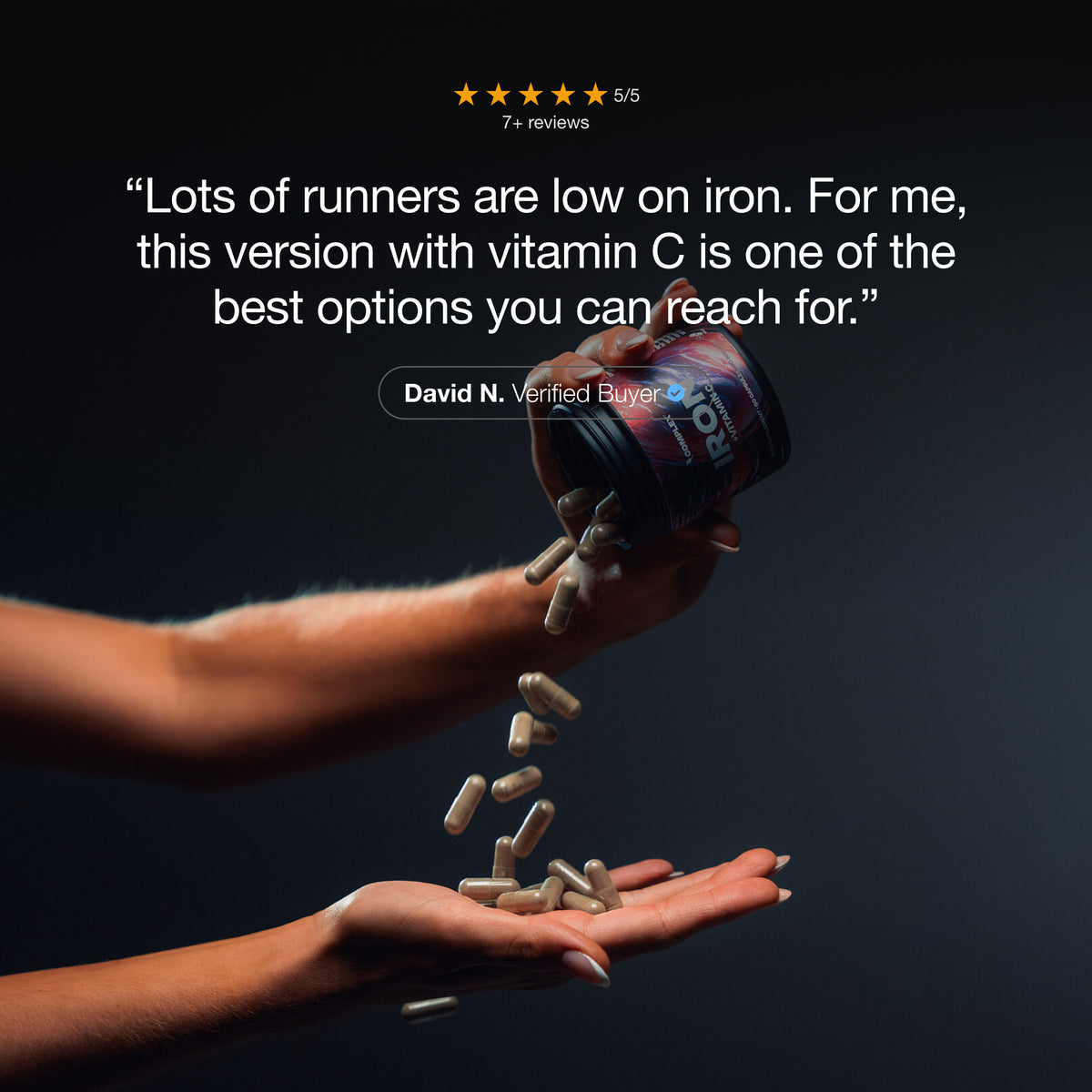
This review confirms that athletes — and female athletes in particular — are among the groups at highest risk of iron deficiency. The cause is higher iron expenditure during physical stress combined with a limited ability to replenish it through diet.
School of Medical and Health Sciences, Edith Cowan University, Australia
Link to the study
Refining Treatment Strategies for Iron Deficient Athletes
The study proposes a precise protocol for addressing iron deficiency in athletes based on the severity of the deficit. It clearly demonstrates that supplementation is a safe and effective first-line option.
School of Human Sciences (Exercise and Sport Science), The University of Western Australia, Australia
Link to the study
Intravenous iron supplementation in distance runners with low or suboptimal ferritin
The study followed endurance runners with low iron stores and showed that iron repletion led to improvements in both hemoglobin levels and performance parameters.
National Institute of Sports Studies, University of Canberra, Canberra, Australia
Link to the study
Iron supplementation: oral tablets versus intramuscular injection
The study compared oral iron supplementation with injections and found that the oral form produces comparable improvements in iron stores. For the vast majority of athletes, a supplement is therefore sufficient and the right choice.
School of Human Movement and Exercise Science, the University of Western, Australia
Link to the study
Iron deficiency in athletes: Prevalence and impact on VO2 peak
Out of nearly 1,200 athletes, almost 20% were iron deficient — and women were significantly overrepresented among them. Those with a deficit had measurably lower VO2 max, which in practice translates to earlier fatigue and reduced performance.
Department of Sports Medicine, Medical Clinic VII, University Hospital Heidelberg, Heidelberg, Germany
Link to the study
Iron deficiency, supplementation, and sports performance in female athletes
A systematic review of 23 studies on 669 female athletes showed that iron deficiency reduces endurance performance by 3–4%. Following supplementation, performance improved by up to 20% - within just a few weeks.
Research Institute for Sport and Exercise (UCRISE), University of Canberra, Canberra, Australia
Link to the study
High Prevalence of Iron Deficiency Exhibited in Internationally Competitive, Non-Professional Female Endurance Athletes
Nearly half of the female competitive athletes tracked had insufficient iron levels - despite being performance-level athletes, not recreational. The study emphasizes that iron deficiency affects even those who train regularly and intensely.
WHISPA High Performance Sport New Zealand, Auckland, New Zealand
Link to the study
Efficacy and Safety of Ferrous Bisglycinate and Folinic Acid in the Control of Iron Deficiency in Pregnant Women
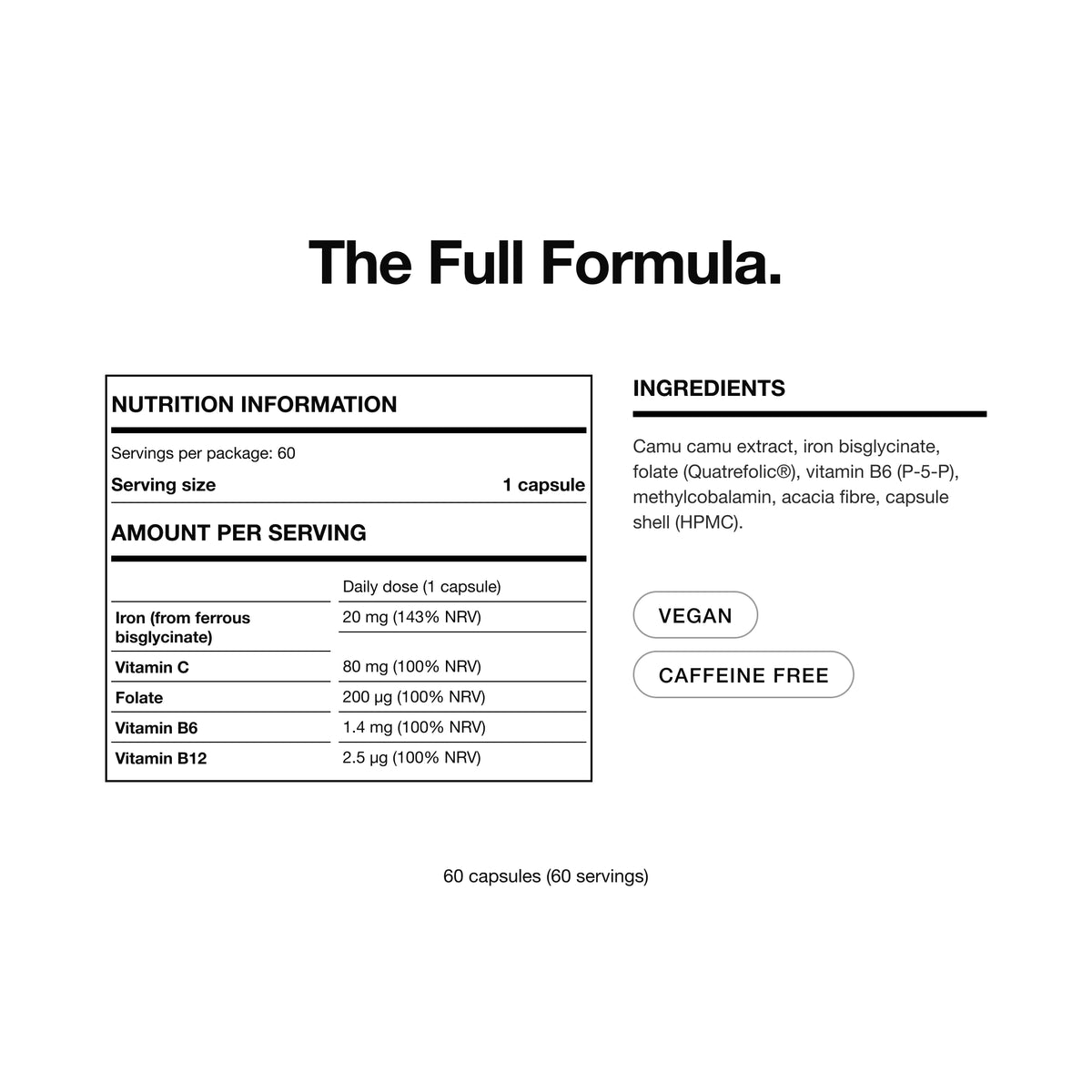
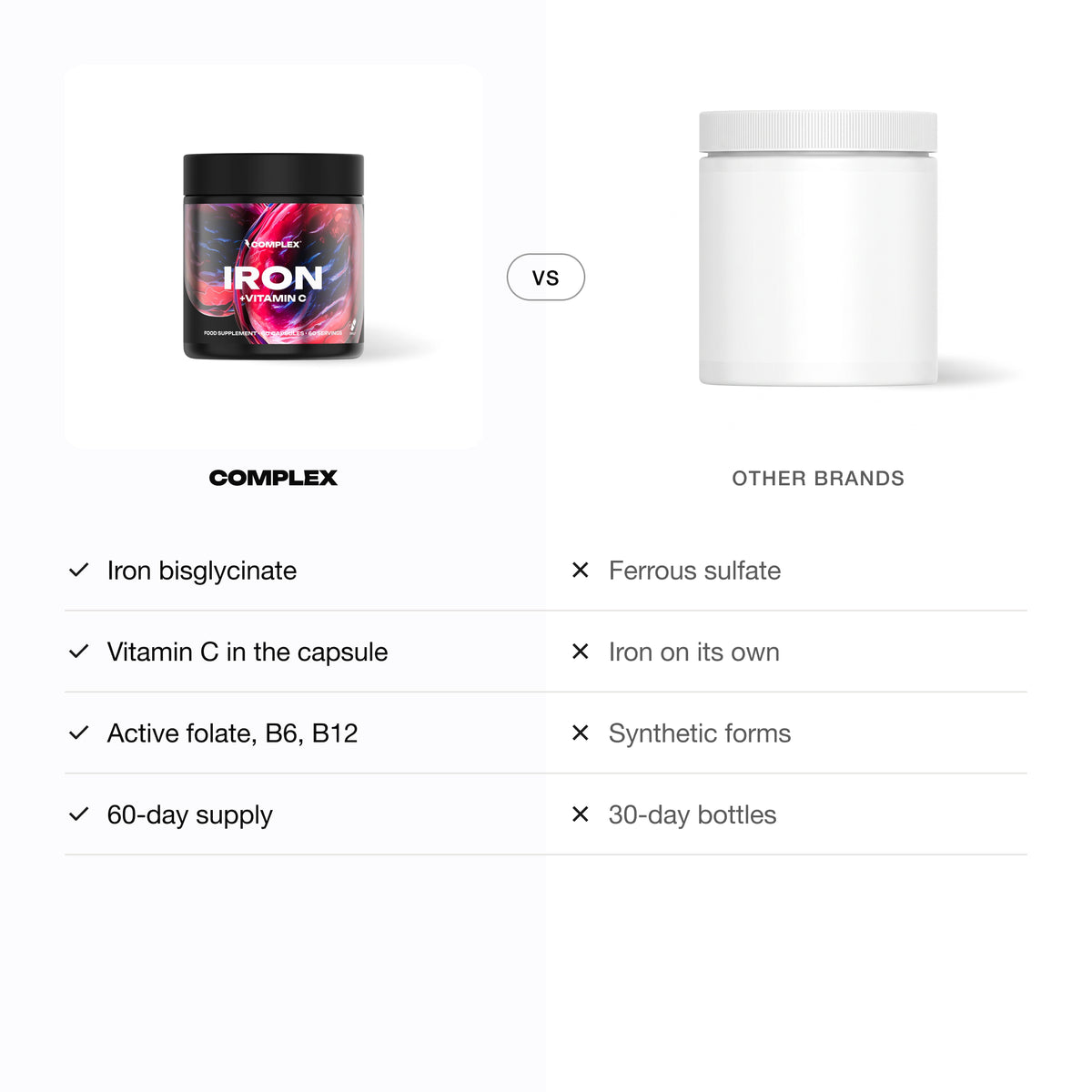
The study confirmed that ferrous bisglycinate has at least twice the bioavailability of common ferrous sulfate. It also causes significantly fewer digestive issues - which in practice means better results at a lower dose, without the unpleasant side effects.
Research Center of Nutraceuticals and Natural Products for Health & Anti-Aging, College of Integrative Medicine, Dhurakij Pundit University, Bangkok, Thailand
Link to the study
The Regulation of Dietary Iron Bioavailability by Vitamin C
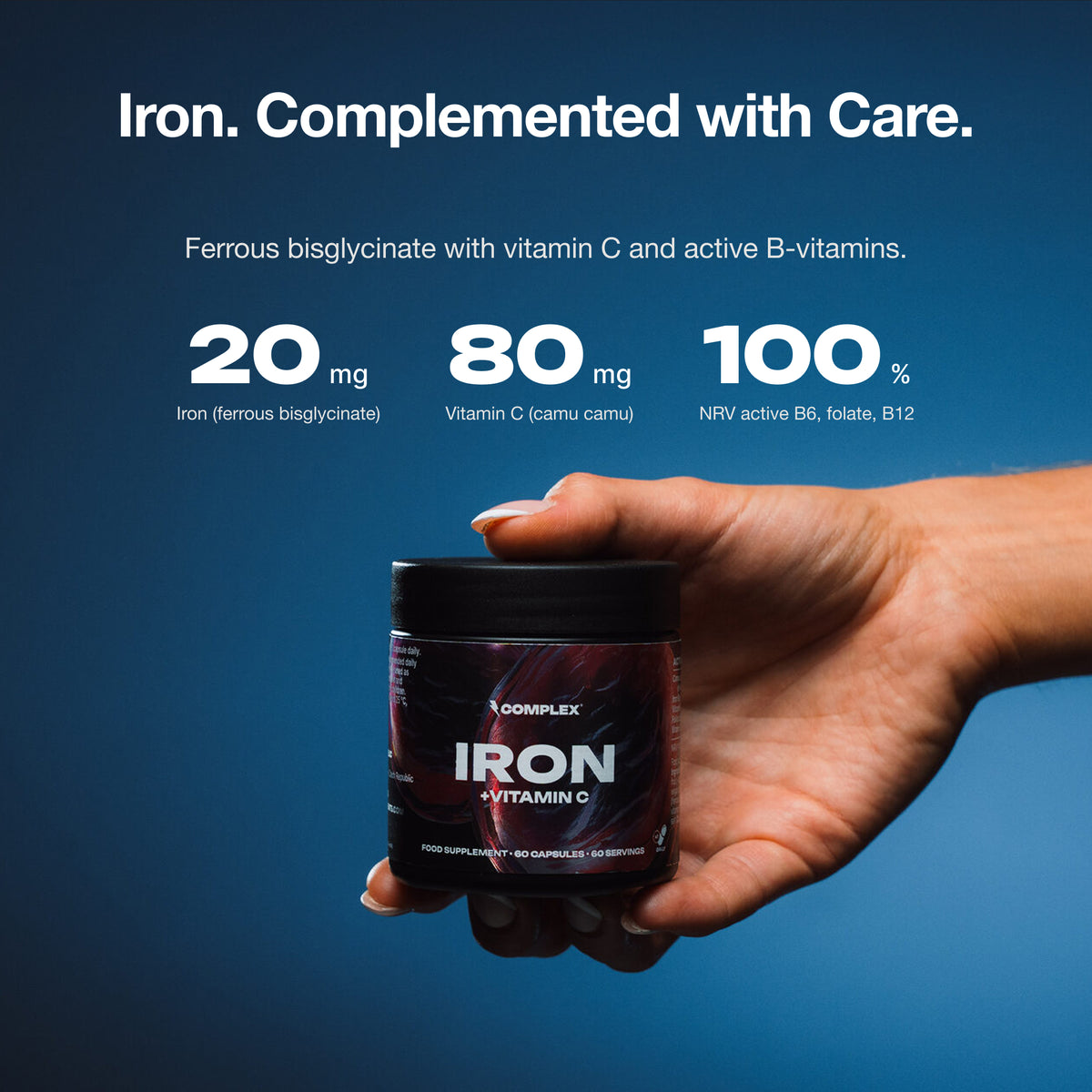
The meta-analysis clearly demonstrated that simultaneous vitamin C intake significantly increases the percentage of iron absorbed. That's why it makes sense to combine both compounds in a single product - exactly the way we built Complex Iron.
School of Food Science and Nutrition, University of Leeds, Leeds, West Yorkshire, UK
Link to the study
Pre-Altitude Serum Ferritin Levels and Daily Oral Iron Supplement Dose.
The study examined athletes preparing for altitude training and showed that iron stores prior to departure directly influence altitude adaptation. Athletes with sufficient iron reserves adapted better and faster — confirming the importance of preventive supplementation.
Centre for Exercise and Sports Science Research, School of Exercise and Health Science, Edith Cowan University, Joondalup, Australia
Link to the study